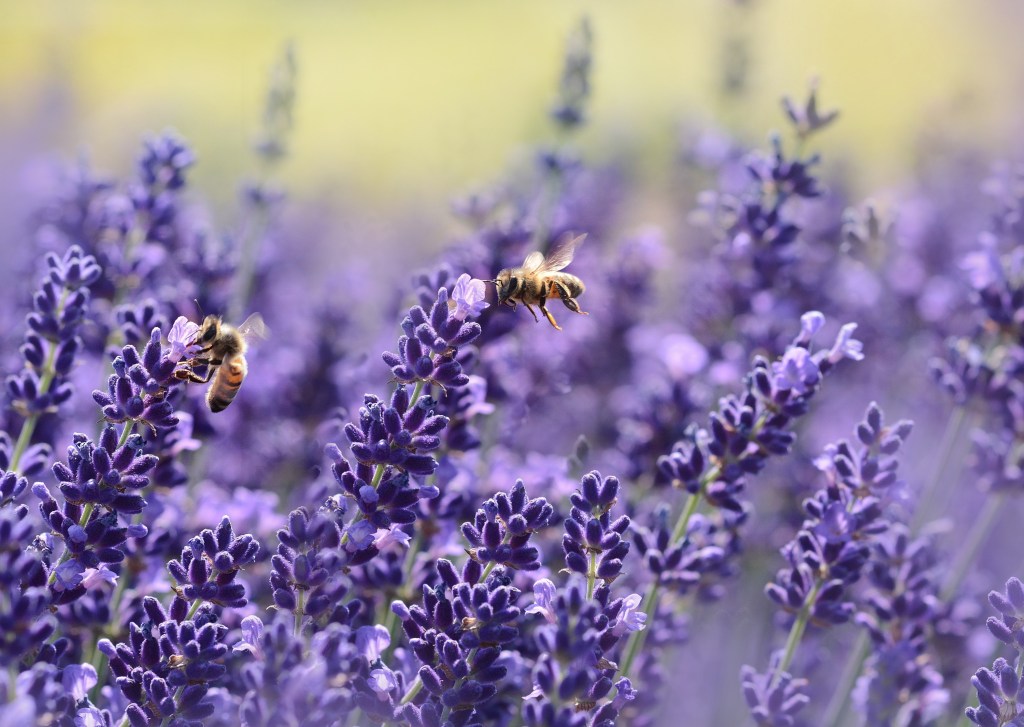
The Birds and Bees Protection Act is a proposed bill looking to help protect the pollinators of New York. In order to do so the State legislature has proposed to prohibit any person to “Sell, offer for sale or use, or distribute within the state any corn, soybean or wheat seeds coated or treated with pesticides with the active ingredients clothianidin, imidacloprid, thiamethoxam, dinotefuran or acetamiprid.”
The bill also proposes that “No person shall apply or treat outdoor ornamental plants and turf, except for the production of agricultural commodities, with a pesticide containing: the active ingredients imidacloprid, thiamethoxam or acetamiprid on or after July 1st, 2025 or the active ingredients clothianidin or dinotefuran effective immediately.”
However, the bill also proposes that the Commissioner of the Department of Environmental Conservation (currently Basil Seggos) will issue a report on October first of each year to determine if there is a sufficient amount of “commercially available untreated seed to adequately supply the agriculture market.” in conjunction with the Commissioner of Agriculture and Markets (currently Richard Ball). If the commissioners determine that there is NOT a sufficient amount of untreated seed for the year, they can lift the ban for the year in order to supply the current market.
The State’s justification for this bill is based off of a state funded June 2020 study performed by Cornell University that showed a risk-benefit analysis of neonicotinoid insecticide used in New York State. The report showed a risk to pollinators “due to their high toxicity, systemic activity in plans… and relatively lengthy persistence in the environment.” The report also claims that using seeds treated with these neonicotinoid insecticides “does not consistently increase net income for New York field corn or soybean producers.” and neonicotinoid-treated corn and soybean seeds do not consistently increase expected net income compared to untreated seeds,” but ” at the same time, widespread use of neonicotinoid-treated seeds incurs risks for insect pollinators.”
What are these neonicotinoid insecticides? (Say that five times fast). These are insecticides that are closely related to nicotine and affect the central nervous system of insects, effectively killing any insect that is affected by them. They are water soluble and when a seed treated with these insecticides sprouts and grows, the seedling can absorb the insecticide as it absorbs the surrounding water, the same absorption can happen when these insecticides are applied directly to the soil. The European Union and other neighboring countries have restricted the use of certain neonicotinoids and even banned the three main neonicotinoids (clothianidin, imidacloprid and thiamethoxam) in 2018.
Neonicotinoids have been linked to the decline of various species of bees, and insect-eating birds. Being water soluble the neonicotinoids also contaminate wetlands, streams and rivers that hold some of our more threatened environments. Even non lethal doses of these insecticides have recorded effects on pollinators that can affect their long term survival by shortening the lifespans of queens and reducing the number of queens that are produced by a colony.
What are your thoughts on these neonicotinoids? Do you think banning them might help our pollinators recover or do you think this can have some unforeseen consequences to our agricultural markets?
If you’d like to read more about the proposed Senate Bill S1856A, you can follow this link to the New York State Senate website.
https://www.nysenate.gov/legislation/bills/2023/S1856/amendment/A
 Wild Heritage Horizons
Leave a comment